Finding time to exercise can be challenging, especially when balancing work, family, and a busy lifestyle. While traditional gym workouts remain a popular way to build strength and improve fitness, alternative training methods such as EMS training are becoming an option for people looking for a more time-efficient approach.
But how does EMS training compare to a conventional gym workout? Can a 20-minute session deliver meaningful fitness benefits? And which approach is better suited to your personal goals?
Whether you're exploring EMS training in Dubai for the first time or considering a change to your existing workout routine, understanding the differences can help you make an informed decision.
1. What Is EMS Training and How Does It Work?
Electrical Muscle Stimulation (EMS) training is a fitness method that uses controlled electrical impulses to stimulate muscle contractions while you perform guided exercises.
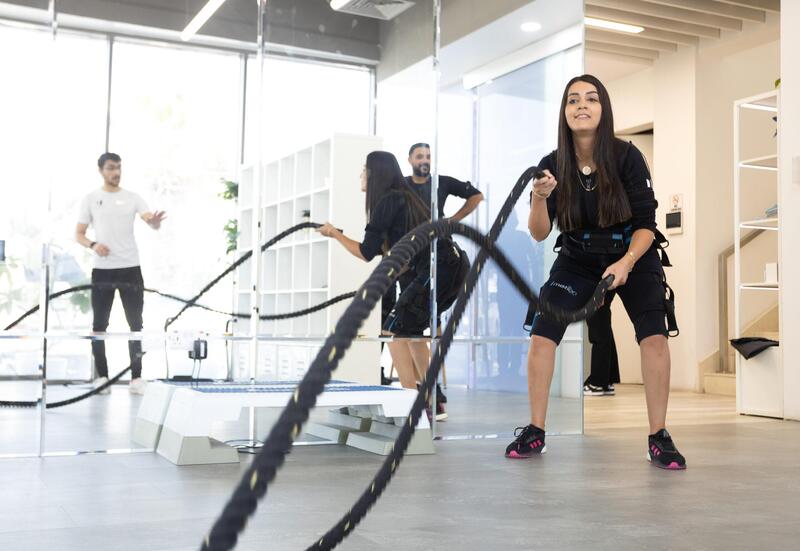
During a typical EMS workout, you wear a specialised suit fitted with electrodes positioned over major muscle groups. These electrodes deliver adjustable electrical impulses that activate muscles alongside your voluntary movements.
Unlike traditional resistance training, which relies primarily on external weights or bodyweight exercises, EMS adds electrical stimulation to the workout.
At UCRYO, EMS Fitness sessions are designed around a 20-minute, trainer-led format, with stimulation levels and exercises adjusted to suit your fitness level and individual goals.
The result is a structured workout that incorporates muscle stimulation and physical movement within a shorter session.
EMS Training vs Traditional Gym Workouts: What's the Difference?
Both EMS training and conventional gym workouts can improve muscle strength and physical fitness. However, they differ in their approach, equipment, and training experience.
| Feature | EMS Training |
Traditional Gym |
| Workout duration | Typically 20 minutes | Often 30–60 minutes or longer |
| Muscle activation | Electrical impulses combined with movement | Voluntary muscle contractions |
| Equipment |
Specialised EMS suit |
Weights, machines, cardio equipment |
| Personalisation | Trainer-adjusted stimulation and exercises | Depends on workout plan and coaching |
| Training focus |
Muscle stimulation and guided exercise |
Strength, cardio, endurance and flexibility |
| Supervision | Typically trainer-led |
Independent or personal trainer-led |
One of the most appealing differences is convenience. A 20-minute EMS workout may fit more easily into a demanding schedule, particularly for busy professionals who struggle to dedicate longer periods to exercise.
However, shorter does not automatically mean better. The effectiveness of either workout depends on consistency, exercise intensity, progression, and individual fitness goals.
2. What Are the Benefits of EMS Training?
EMS Fitness offers several potential benefits that make it worth considering as part of a balanced exercise routine.
Time-Efficient Workouts
With sessions typically lasting around 20 minutes, EMS training provides a convenient option for individuals with limited time. Its shorter format can make regular exercise easier to incorporate into a busy lifestyle.
Full-Body Muscle Stimulation
EMS equipment can stimulate several major muscle groups during a session. When combined with guided movements, this provides an additional training stimulus that may contribute to improvements in muscle strength.
Low-Impact Exercise Options
EMS workouts can incorporate movements without heavy external weights. This may appeal to people who prefer lower-impact exercise, although EMS is not automatically suitable for everyone with joint concerns or injuries.
Personalised Training Experience
With trainer-led EMS sessions, stimulation intensity and exercise selection can be adjusted to accommodate individual fitness levels, experience, and goals.
3. Can EMS Training Deliver Better Results Than the Gym?
This is one of the most common questions people ask when comparing EMS training with conventional exercise.
The answer depends on what you want to achieve.
Research suggests that whole-body EMS training can improve muscle strength and certain measures of body composition, particularly in some previously untrained or less active populations. However, evidence does not establish that EMS is consistently superior to traditional resistance training.
Traditional gym workouts offer greater flexibility for progressive strength training, cardiovascular conditioning, endurance development, and sport-specific performance.
EMS training, meanwhile, may appeal to individuals who value shorter, supervised sessions and an alternative form of muscle stimulation.
A 20-minute EMS session should not be considered a direct replacement for every type of conventional gym workout. Claims that it delivers the same results as several hours of exercise are not reliably supported by scientific evidence.
Ultimately, both approaches can play a role in a fitness routine, and combining different forms of exercise may be beneficial depending on your goals.
4. Who Should Consider EMS Training?
EMS Fitness may be worth exploring for individuals who want a structured, trainer-led workout experience.
It may particularly appeal to:
- Busy professionals who want to incorporate exercise into a demanding schedule.
- Fitness beginners who prefer guided workouts and a structured training environment.
- Individuals seeking variety who want to complement their existing fitness routine.
- People who prefer workouts without heavy external weights, subject to appropriate health screening.
Whether EMS training is suitable for you depends on your health, exercise experience, and fitness objectives.
5. How Often Should You Do EMS Training?
When starting EMS Fitness, allowing sufficient time for muscle recovery is particularly important.
For beginners, international whole-body EMS safety guidelines recommend a cautious introduction, generally limiting training to one 20-minute session per week during the initial 8–10 weeks.
As your body adapts, your trainer can help assess an appropriate schedule based on your experience, recovery, and training goals.
As with any form of exercise, consistency and proper recovery are more important than simply increasing the number of sessions.
6. Is EMS Training Safe?
EMS training can be performed safely for appropriately screened individuals under qualified supervision, but it is not suitable for everyone.
Because electrical stimulation produces muscle contractions, excessive intensity or inadequate recovery can increase the risk of muscle injury, including rare but serious cases of rhabdomyolysis.
Before beginning EMS training, it is important to discuss your medical history and any relevant conditions with a qualified professional. Certain medical devices, cardiovascular conditions, pregnancy, and other health circumstances may make EMS inappropriate.
Sessions should begin at a suitable intensity and progress gradually under professional guidance.
7. Experience EMS Fitness at UCRYO Dubai
At UCRYO, fitness is about finding an approach that supports your lifestyle, goals, and overall wellbeing.
Our 20-minute EMS Fitness sessions offer a trainer-led experience combining electrical muscle stimulation with guided physical movements.
With personalised adjustments to stimulation intensity and exercises, each session is designed to provide a structured workout that accommodates individual fitness levels.
Whether you're beginning your fitness journey, exploring a different training method, or looking to complement your existing routine, UCRYO EMS Fitness offers another way to stay active.
Frequently Asked Questions About EMS Training
Is EMS training better than going to the gym?
Neither method is universally better. EMS training offers a shorter, supervised workout format, while traditional gyms provide more exercise options for strength, cardio, and endurance. The best choice depends on your personal goals and preferences.
Can a 20-minute EMS workout replace an hour at the gym?
A 20-minute EMS workout can provide a muscle-training stimulus, but it is not equivalent to every type of hour-long gym session. Traditional exercise remains important for cardiovascular fitness, endurance, and other aspects of physical health.
Can EMS training help build muscle strength?
Research suggests that whole-body EMS can contribute to improvements in muscle strength. However, results vary depending on individual fitness levels, training intensity, frequency, and consistency.
Is EMS training suitable for beginners?
EMS may be suitable for some beginners when sessions are professionally supervised and intensity is introduced gradually. Health screening is essential before starting.
How long does it take to see results from EMS training?
Results vary. Improvements in strength and physical fitness generally require consistent training over several weeks or months. Nutrition, recovery, and overall activity levels also influence progress.
Find a Fitness Routine That Works for You
Choosing between EMS training and a traditional gym workout doesn't have to mean choosing one over the other.
Both approaches offer different advantages, and the most effective routine is one that aligns with your fitness goals, lifestyle, and ability to stay consistent.
For those looking for a time-efficient, trainer-led workout experience, UCRYO EMS Fitness in Dubai offers an alternative worth exploring.
Discover a Different Way to Train
Explore UCRYO's 20-minute EMS Fitness sessions and find out how a personalised, trainer-led workout can fit into your fitness routine.
Explore EMS Fitness at UCRYO.
Share This Post